





A thorough rural inspection can reveal hidden maintenance needs and ownership considerations before you commit.
A Northwoods property offers a distinctive way of life: coffee on the porch, afternoons on the lake, snowmobile trails nearby, and a cabin filled with friends and family. That appeal draws many buyers to homes for sale in Bayfield County, where wooded surroundings and a little more room to spread out can make everyday life feel pleasantly removed from the city.
Behind that setting, however, are parts of the property that may not reveal much during a showing. A professional rural inspection provides a clearer picture of overall structural and environmental health, evaluating key mechanical systems, private utility infrastructure, drainage, and seasonal weather defense before you commit.
Table of Contents:
- Year-round accessibility
- Water and drainage
- The private well
- The septic system and its capacity
- Winter readiness
- The roof and attic
- Moisture
- The home’s electrical system
- Outbuilding condition
- What should you do with the inspection report?
- Frequently Asked Questions
- Buy with greater confidence in Bayfield County
Key highlights
- Focus on hidden risk: Pay close attention to findings involving access, drainage, moisture, major systems, and detached structures that are easy to overlook during a showing.
- Prioritize private utilities: Review well and septic records early, arranging specialized testing to ensure systems match your planned usage.
- Evaluate year-round readiness: Assess heating systems, insulation, freeze protection, and winter access rather than relying solely on fair-weather conditions.
Year-round accessibility
A long driveway through the winds may be a part of the Northwoods’ appeal, but its condition can have practical implications once winter arrives. A Northwoods cabin inspection can evaluate visible characteristics of the access route and identify conditions that may make regular travel more difficult.
The inspection can reveal:
- Driveway deterioration: Ruts, potholes, soft surfaces, or erosion can indicate ongoing maintenance requirements.
- Grades and turns: Steep slopes and tight curves can become more challenging when snow and ice reduce traction.
- Clearance limitations: Low branches, narrow sections, or restricted approaches may complicate access for emergency vehicles, snowplows, and service providers.
The significance of these findings depends partly on how you will use the property. For instance, a driveway that works well for occasional summer visits may present a different concern for someone relying on it throughout the winter or using the property as a full-time residence.
Service access can matter, too, particularly for deliveries, snow removal, emergency response, and routine maintenance.
→ Browse rural properties across Bayfield County to find a setting that fits your lifestyle.
Water and drainage
Water has to find its way somewhere on a rural property. Without the municipal stormwater infrastructure common in urban areas, grading, swales, culverts, and natural contours all influence where runoff moves.
A rural property inspection in Wisconsin can document visible conditions that reveal how effectively the site manages water. Furthermore, it may uncover:
- Water collecting near the foundation: Poor grading or concentrated runoff can increase the potential for moisture intrusion.
- Low areas that remain saturated: Persistent wet ground can reveal drainage patterns that affect the yard, driveway, or other parts of the property.
- Roof runoff concentrating in one area: Short downspouts, blocked gutters, or poor discharge can direct water directly toward foundation walls.
- Erosion along slopes or drainage paths: Washed-out soil shows how runoff moves across the landscape and where additional retention measures may be needed.
- Deteriorated drainage features: Damaged or obstructed culverts, swales, or drainage channels can interfere with water movement during heavy rain and spring snowmelt.
These findings explain why a property may show damp crawlspaces, driveway washouts, or foundation moisture after heavy weather conditions.
While general inspectors do not engineer permanent site solutions, their findings indicate when consulting a civil or drainage specialist is worth your while.
The private well
For a rural property, the well is essential infrastructure. A reliable water supply is a key baseline when you are evaluating homes for sale in Bayfield County, especially when the private well serves as the property’s primary source of fresh water. Unlike a municipal system, the well is entirely your responsibility, making its condition and construction history relevant to future ownership costs.
A rural inspection examines accessible mechanical components while identifying conditions that may warrant laboratory water-quality or yield testing. Some of the findings may include:
- Equipment condition: The pump, pressure tank, control switches, and visible plumbing may show corrosion, leaks, or needed repairs.
- Water quality: Laboratory testing identifies bacteria, nitrates, arsenic, lead, and other potential regional contaminants.
- Water supply: Yield testing establishes whether the well produces enough gallons per minute for regular household use.
- System history: Well construction logs and local maintenance records can provide context on casing depth and aquifer reliability.
If issues emerge, a licensed well professional can help determine whether water treatment, mechanical repairs, casing extensions, or drilling a new well is necessary. Water demand can also change over time, particularly if a seasonal property becomes a full-time home or accommodates more guests.
→ Here’s what year-round living in the Northwoods is like.
The septic system and its capacity
A septic system is another essential component that can remain largely invisible until serious problems develop. An inspection identifies accessible conditions and warning signs, while permits, maintenance records, and specialized evaluations provide a complete picture.
This distinction matters when buying a cabin in Wisconsin. A property that is used seasonally has a very different history of occupancy and wastewater loading than a primary residence.
The inspection and records review can reveal:
- Tank condition: Accessible portions of the tank may show structural deterioration, damaged baffles, or visible leaks.
- Maintenance history: Pumping records indicate whether the system has been regularly serviced or neglected.
- Drainfield warning signs: Persistent odors, surface dampness, unusually lush vegetation, or surfacing wastewater suggest field clogging or failure.
- Approved capacity: County sanitary permits establish the system’s legal bedroom count and design capacity.
- Potential capacity concerns: A system designed for a small two-bedroom seasonal camp may fail if it transitions to full-time family use.
Future renovations also affect this balance. Adding bedrooms or bathrooms increases wastewater flow and can trigger mandatory county system updates. And because general inspectors cannot evaluate buried drainfields or verify tank integrity below liquid lines, hiring a licensed septic specialist for a full evaluation is always prudent.
Winter readiness
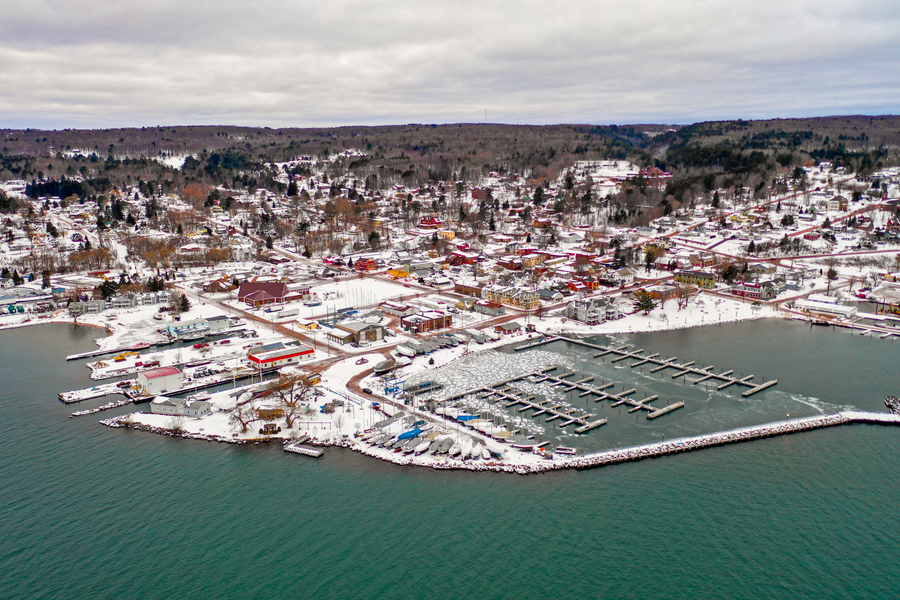
Northwoods homes need reliable heating, insulation, and freeze protection to remain comfortable through demanding winter conditions.
A house that feels comfortable during a summer showing can have very different vulnerabilities come winter. A Northwoods cabin inspection provides valuable insight into the heating and thermal envelope features responsible for keeping the property safe and operable through prolonged cold.
Anyone buying a cabin in Wisconsin quickly learns that winter readiness involves more than a working primary furnace. The inspector evaluates:
- Heating equipment: Primary furnaces, wood stoves, fireplaces, outdoor wood boilers, and chimney flues are examined for operational safety and maintenance concerns.
- Insulation depth: Accessible attics, rim joists, and crawlspaces reveal whether sufficient insulation will lead to extreme heat loss or ice damming.
- Freeze protection: Plumbing lines, supply entry points, and drain traps are checked for exposure to unconditioned air.
- Power-outage vulnerabilities: Electrically dependent heating controls, well pumps, and freeze-protection systems remain vulnerable during extended regional winter outages.
These findings highlight properties ready for immediate winter occupancy versus those needing structural winterization. They also clarify unexpected ownership costs, from insulation upgrades to installing backup generator transfer switches.
→ Considering a move to the Northwoods? Here’s how you can choose the best property available.
The roof and attic
A Northwoods roof endures intense environmental pressure from snow loads, ice accumulation, wind, and freeze-thaw cycles. Its physical condition reveals immediate repair needs and clues about long-term maintenance.
An inspection can uncover:
- Roofing deterioration: Cracking, curling, missing shingles, rust on metal panels, and surface wear indicate immediate or upcoming replacement costs.
- Flashing problems: Deteriorated flashing around chimneys, sidewalls, and plumbing vents creates active entry points for water intrusion.
- Previous leaks: Staining, water marks on roof decking, and rusted fasteners provide physical evidence of historical leaks.
- Structural concerns: Sagging rooflines, bowed rafters, or visible truss deflection may indicate past overloading from heavy snow.
- Attic moisture and ventilation: Frost formation, damp insulation, and dark surface staining point to improper ventilation or air leaks from the living space.
A roof that appears acceptable from the ground may harbor hidden damage visible only inside the attic space. When structural deflection or active moisture damage is found, a licensed roofing contractor or structural engineer can define the exact scope of repair.
Moisture
Moisture intrusion causes severe, costly damage in rural homes, especially if past leaks were masked or dried before a showing. An inspection uncovers physical indicators that water has entered the structure or exposed framing to persistent dampness.
- Foundation and basement evidence: Wall cracks, efflorescence, lower-wall staining, and spalling concrete indicate ongoing ground moisture pressures.
- Crawlspace conditions: Bare damp soil, standing water, or sagging insulation directly compromise floor framing overhead.
- Sump pump concerns: Improper pump operation, missing check valves, or poor exterior discharge lines create basement flooding risks.
- Musty odors or mold growth: Persistent organic odors or visible mold indicate hidden moisture reservoirs that warrant professional remediation.
- Previous patch work: Fresh paint coatings, recent sealants, or isolated drywall patches can signal attempts to cover active water issues.
An inspector documents visible moisture evidence without necessarily proving its primary entry point. And when sources remain unclear, further environmental testing helps determine whether an issue is historical, active, or improperly repaired.
The home’s electrical system
Electrical systems take on added importance in rural environments; power outages here can last longer and response times for line repairs may take a while. With an inspection, you will be notified of visible safety hazards, obsolete wiring, and main panel capacity limitations if any are found.
The evaluation can also identify the following:
- Panel concerns: Corrosion, rust, moisture inside the panel, scorch marks, or buzzing breakers signal hazardous electrical conditions.
- Service capacity: An outdated 60-amp or 100-amp main service panel may lack sufficient capacity for modern appliances, electric heat, or workshop equipment.
- Wiring conditions: Knob-and-tube, ungrounded armor-clad, or damaged cable runs present safety risks and complicate insurance approval.
- Grounding and GFCI deficiencies: Missing ground fault circuit interrupter protection in kitchens, baths, basements, and exterior outlets creates shock hazards.
- Unprofessional modifications: Exposed wire splices, overloaded circuits, double-tapped breakers, and DIY additions require master electrician remediation.
Backup power considerations matter on rural parcels. When severe weather knocks out the local grid, generator hookups protect well pumps, heating systems, and sump pumps from freezing or failing.
Outbuilding condition
Detached structures add exceptional functional utility to rural acreage, though they bring extra maintenance responsibilities and costs. That utility comes in many forms: pole barns and workshops can house tractors and ATVs, detached garages store boats and snowmobiles, while saunas and guest quarters offer extra living space.
For anyone buying a cabin in Wisconsin, storage space is often high on the list of requirements. A rural inspection evaluates whether these auxiliary buildings are structurally sound and ready for use.
- Structural deterioration: Foundation settlement, post rot, wall leaning, or compromised truss ties compromise structural stability.
- Moisture and pest damage: Roof leaks, rot along ground contact lines, rodent nests, and wood-boring insect activity damage stored equipment.
- Utility concerns: Subpanels, sub-grade wiring runs, or makeshift heating systems installed in workshops often lack proper permits and safety clearances.
- Functional limitations: Binding overhead doors, gravel floor dampness, or narrow door clearances limit structural usability.
Understanding outbuilding repair requirements ensures you can budget accurately. A spacious shop or boat shed may offer great utility, but necessary roof or structural repairs affect its overall value proposition.
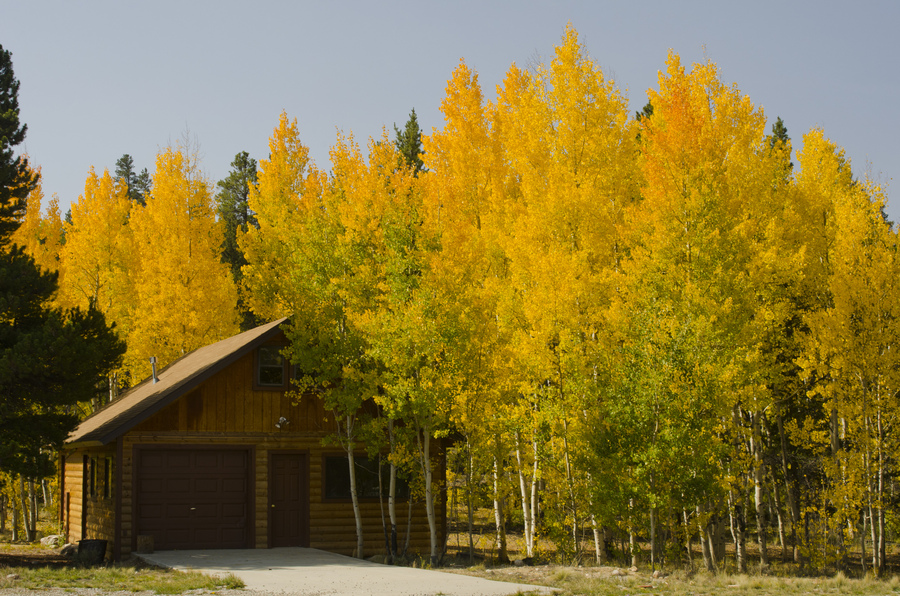
Outbuildings add extra functionality as well as maintenance responsibilities.
What should you do with the inspection report?
Rural inspection reports are frequently lengthy, but a long document does not mean a property is a bad purchase. Country properties simply have more individual site features, outbuildings, and private mechanical utilities to assess.
The key is triaging findings by severity. Major structural defects, active roof leaks, failing septic fields, hazardous electrical panels, and contaminated well water require immediate negotiation or repair. Minor cosmetic wear, older functional appliances, and routine maintenance items can simply be built into your long-term ownership plan.
This evaluation framework is useful when comparing Bayfield County homes for sale. One home may show a list of minor deferred maintenance items, while another has a short report containing a single, high-cost system failure.
Ultimately, the report helps answer a practical question: Do you fully understand what this property requires, and are you comfortable with those responsibilities? A methodical review separates immediate safety hazards from projects that can wait.
The limitations of a rural inspection
A general rural inspection provides an excellent overview, but visual evaluations cannot answer your every technical question. Certain components require specialized testing, laboratory analysis, or expert tradespeople.
- Private wells: An inspector examines visible pumps, tanks, and plumbing lines. However, lab analysis is required to verify if the water is potable. Moreover, a formal yield drawdown test is needed to measure flow rates.
- Septic systems: Visual checks confirm basic mechanical operation and surface conditions. But full drainfield health and underground tank integrity require a licensed septic evaluator.
- Boundaries and environmental limits: Inspectors do not set property lines, review easement documents, map wetlands, or verify county shoreland zoning setbacks. Those items require a professional land surveyor, county zoning staff, or civil engineers.
Understanding these operational limits helps you act quickly when an inspector recommends secondary specialized evaluations.
FAQs about rural inspections in Wisconsin
What should a rural property inspection in Wisconsin cover?
A thorough inspection examines the main home, site grading, private utilities, major mechanical systems, roof integrity, driveway access, and any detached outbuildings.
What can a rural inspection reveal that a home showing cannot?
It identifies structural settlement, hidden roof leaks, dangerous wiring, outdated heating systems, crawlspace dampness, and unsafe mechanical conditions obscured during short walk-throughs.
Should a private well be tested before buying?
Yes. You should always order independent laboratory water-quality testing for bacteria, nitrates, and regional heavy metals, alongside a professional flow-yield test.
Can an inspector determine whether a septic system is adequate?
An inspector checks visible mechanical components and surface conditions, but a licensed septic technician must perform thorough tank and drainfield testing.
Buy with greater confidence in Bayfield County
A rural inspection clarifies the hidden systems, maintenance needs, and physical responsibilities that shape life beyond closing day. Broad Street Brokers brings more than 40 years of combined experience and extensive Northwoods knowledge to help you weigh property conditions against your budget and long-term goals.
If you are exploring Bayfield County homes for sale, our team can help you navigate inspection findings alongside shoreland regulations, seasonal access realities, and regional property values.
Call us at 715.779.3220 or send us a message to get your free real estate consultation.